Accounting · August 2, 2026 · 3 min read
E-invoicing: what it brings to companies in Slovakia
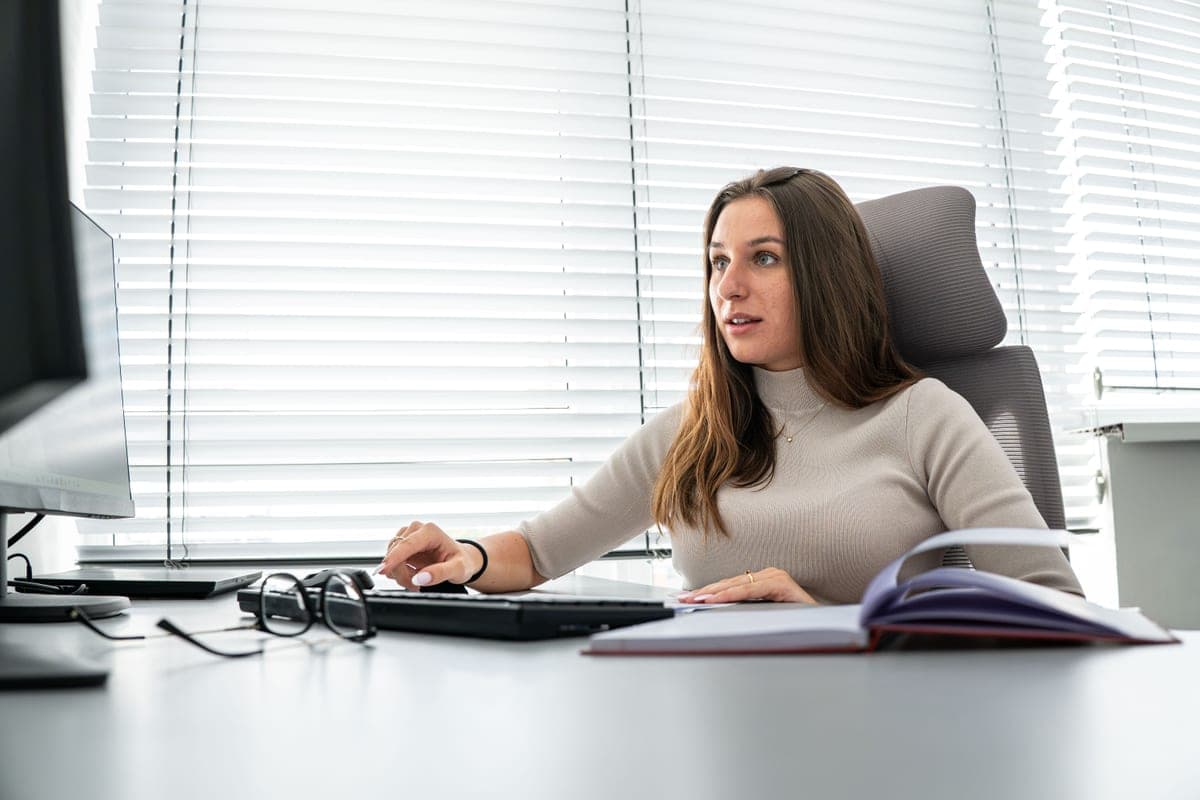
E-invoicing is gradually replacing paper invoices and changing the way companies issue and process documents. It saves time, but it also requires processes and software to be set up correctly.
What e-invoicing is
E-invoicing means issuing, sending and processing invoices in electronic form. It is not just an invoice sent by e-mail as a PDF, but above all structured data that systems can process automatically.
It is precisely automation that makes the difference compared with an ordinary scan or image of an invoice. A system can take the data directly from such an invoice without manual retyping.
Main benefits
- faster delivery and processing of invoices
- less manual retyping and fewer errors
- savings on paper and postage costs
- easier archiving and searching of documents
Automatically matching invoices with orders and payments shortens the time needed for administration and improves the overview of both payables and receivables.
Legal and technical conditions
An e-invoice is equivalent to a paper one if the authenticity of its origin, the integrity of its content and its legibility are guaranteed throughout the entire archiving period. A company should have an established way of ensuring these conditions in a demonstrable manner.
What to prepare for
The move to e-invoicing requires suitable software and aligning processes with both suppliers and customers. Not every partner will be ready straight away, so it pays to agree on the format in advance.
Legislative requirements for structured invoice formats are also gradually gaining ground, so it pays to follow developments and be prepared in advance.
- choosing a compatible invoicing system
- agreeing on the format with business partners
- ensuring the archiving of electronic documents
Recommendations for companies
Check the current requirements and compliance deadlines for the period in question, as this area is evolving rapidly. Preparing early will allow you to manage the transition smoothly.
What is more, you can start enjoying the benefits of automation even before e-invoicing becomes an obligation for you.
Impact on the accountant’s work
E-invoicing also fundamentally changes the way you work with your accountant. Instead of tedious retyping of documents, invoice data is read automatically, which frees up time for review and advice.
The accountant can thus focus more on accuracy and on useful outputs for the entrepreneur, rather than on routine data entry. For the company, this means faster and more accurate processing.
Security and trustworthiness of documents
With e-invoices, it is important to ensure that no one can alter them without authorisation. This is done using technical means that confirm the origin and integrity of the document.
- verifiable origin of the invoice
- protection against unauthorised changes
- reliable archiving throughout the entire retention period
A company that has these processes in place gains not only efficiency but also greater certainty in the event of an inspection.
How to prepare today
Even if e-invoicing is not yet mandatory for you, it is worth starting to prepare. Take stock of the invoicing tool you use and whether it supports modern formats and a connection to your accounting.
A gradual transition is easier than a sudden change under the pressure of a deadline. A company that fine-tunes its processes in advance gains an advantage and avoids unnecessary stress when e-invoicing becomes the standard. It is also advisable to coordinate your preparations with your accountant, who will advise you on which solution best suits your business.
Related articles: How to read a balance sheet and a profit and loss statement, The most common accounting mistakes in small companies, Lease accounting: operating vs. finance.
Frequently asked questions
Does an invoice sent by e-mail already count as e-invoicing?
An invoice in PDF format sent by e-mail is an electronic document, but fully fledged e-invoicing works mainly with structured data that systems process automatically. That is precisely what brings the biggest time savings and fewer errors.
How long do e-invoices need to be archived?
E-invoices are archived for the period laid down by law, just like paper ones, and their legibility and integrity must be guaranteed throughout that time. Check the specific archiving period for the type of document in question.
More articles
All articles →
Accounting · September 3, 2026
The Bilvao app: your accounting and finances in one place
Automated accounting, e-invoices and an e-postman, matching of bank payments, attendance tracking for payroll and online reporting. See what the Bilvao app offers.
Read article →
Accounting · September 1, 2026
In-house or external accountant: what really pays off for a company
In-house or external accountant? We compare costs, reliability and responsibility, and advise which solution really pays off for your company, and when. We can help.
Read article →
Accounting · August 30, 2026
Single-entry vs. double-entry bookkeeping: what is the difference and which to choose
Single-entry vs. double-entry bookkeeping without unnecessary theory: exactly how they differ, who each one applies to and which to choose depending on your legal form of business. We can help.
Read article →