Payroll and HR · May 12, 2026 · 2 min read
Meal allowance and meal vouchers: what employees and companies can claim
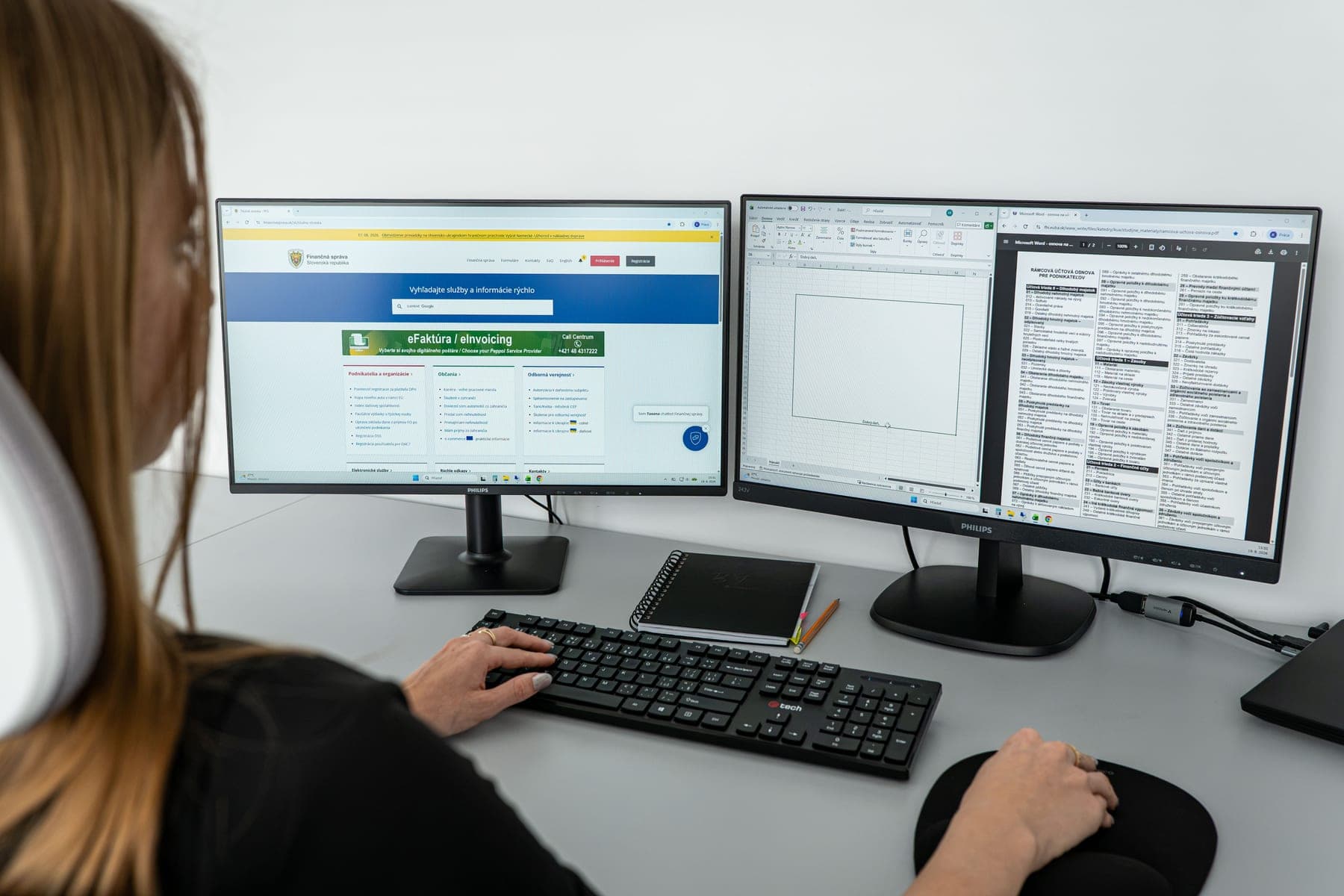
Providing meals is one of the employer’s basic obligations. Today, employees can often choose between a meal voucher (gastrolístok) and a financial meal allowance. How does it work?
The employer’s obligation
The employer is obliged to provide meals for its employees or to pay a meal allowance for shifts worked, to the extent specified. The employer covers part of the value and may also contribute from the social fund.
Meal vouchers vs. a financial allowance
As a rule, the employee can choose whether they want a meal voucher (today mainly an electronic card) or a financial meal allowance paid directly with their wages. The employer must allow this choice.
Tax treatment
The employer’s meal allowance up to the amount set by law is exempt from tax for the employee and is a tax-deductible expense for the company. Above the limit it is treated differently, so it is important to stick to the current amounts.
Meal allowance on business trips
Be careful not to confuse the meal allowance on a business trip (a travel allowance for the time spent on a business trip) with the meal allowance during a regular shift – these are two different things, each with its own rules.
Sole traders and the meal allowance
A self-employed person (SZČO) can also claim meal expenses under certain conditions. The scope and limits differ from those for employees, so it is worth checking the current rules.
Current figures (2026)
Meal allowance and employee meals 2026
Meal allowance 5–12 hours | €9.30 |
Meal allowance 12–18 hours | €13.80 |
Meal allowance over 18 hours | €20.60 |
Min. meal voucher value | €6.98 |
Employer’s contribution (tax-deductible) | €5.12 |
Figures valid for 2026; check the current wording.
Related articles: Annual leave: entitlement, calculation and payment in lieu, Employer payroll contributions: a complete overview, Supplements for overtime, night work and work on public holidays.
Frequently asked questions
Can an employee keep meal vouchers if they do not go out for lunch?
Their purpose is meals, but with an electronic card the employee pays for groceries and food in accordance with the issuer’s terms. The unused value on cards generally does not expire straight away.
Is a financial allowance more advantageous than a card?
It depends on the employee’s preferences. The tax treatment up to the limit is similar; the difference lies mainly in convenience and in how it can be used.
More articles
All articles →
Payroll and HR · May 16, 2026
How the net wage is calculated from the gross wage in 2026
Net wage from gross wage in 2026: we show you the calculation of contributions and tax step by step with an example, so that you know how much you will actually receive in your account. We can help.
Read article →
Payroll and HR · May 14, 2026
Employer payroll contributions: a complete overview
Employer payroll contributions made clear: how much you pay on top of the gross wage, the rates payable to the Social Insurance Agency and the health insurance company, and the total labour cost. We can help.
Read article →
Payroll and HR · May 10, 2026
Annual leave: entitlement, calculation and payment in lieu
Annual leave and the entitlement to it: how many days you are entitled to, how wage compensation is calculated and when you have the right to be paid for unused days. Clearly explained, with an example. We can help.
Read article →