Legislation and amendments · December 11, 2025 · 4 min read
Transaction tax: who it applies to and how to optimise it
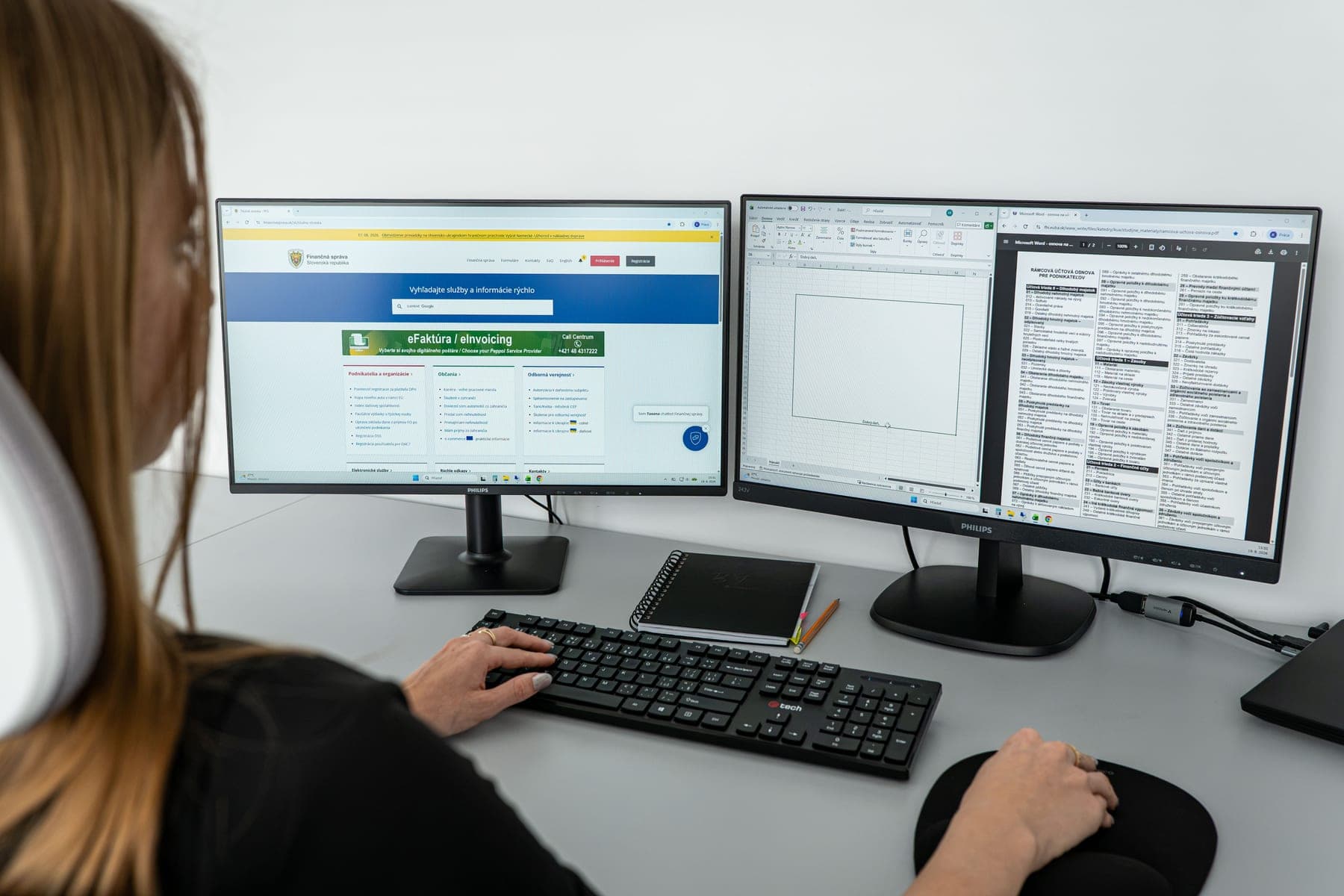
The transaction tax is a type of tax linked to entrepreneurs’ financial transactions, in particular to payments from business accounts. For many, it represents a new administrative burden and a new cost item that they have not come across before. In this article we explain who such a tax usually applies to, how its logic works and what you can do to handle it sensibly.
How the transaction tax works
The principle of the transaction tax is based on taxing selected financial transactions, typically outgoing payments from an account intended for business. The tax is usually paid over by the bank or the payment service provider, which shifts the administration from the entrepreneur to the financial institution. The specific rate, caps and exemptions may change, however, so always check them in the version of the regulation in force.
Who the tax applies to
The range of those affected depends on how the law is set up, but as a rule it concerns a wide group of entrepreneurs.
- Legal entities making payments from business accounts
- Individual entrepreneurs, depending on the conditions set
- Branches and entities operating in Slovakia
- Selected transactions, such as payments, withdrawals or the use of a payment card
What to watch out for
With the transaction tax, the key is to keep your private and business finances properly apart. If payments that do not need to be there also go through your business account, you are needlessly increasing the base for the tax. It is equally important to keep track of which transactions are exempt from the tax, because it is precisely the exemptions that amendments often adjust. Also check how the tax will be reflected in your accounting and how to book it correctly.
Optimisation options
Optimisation does not mean avoiding the tax, but organising your processes sensibly. Consider consolidating payments where this is possible and appropriate, and avoid needlessly splitting transactions, which could look like artificial conduct. Also reconsider whether you can group some regular payments into a smaller number of transfers, and whether you have an overview of the transactions that are exempt from the tax. A review of how many accounts you really need and how you route your cash flows through them can also help. Always act in accordance with the law, however – artificial arrangements whose sole purpose is to circumvent the tax carry the risk of penalties and an additional tax assessment.
The impact on cash flow and prices
Even though the tax on each individual payment is only a small amount, with a large number of transactions the costs add up. That is why we recommend building the transaction tax into your financial plan and, where relevant, into your pricing as well. Companies with a large number of payments, for example in retail or in services with many suppliers, should calculate the impact in advance so that it does not take them by surprise at the end of the accounting period. It also helps to monitor the monthly volume of taxed transactions, which gives you a realistic picture of this cost item.
When an expert can help
As the rules change and there are many exemptions, a consultation with a tax adviser pays off, especially for larger companies and entities with a high volume of payments. At Bilvao we will help you assess which transactions are subject to the tax, how to book them correctly and how to set up your payment processes so that you do not pay more than necessary.
Current figures (2026)
Transaction tax 2026
For sole traders / individual entrepreneurs | abolished from 1 January 2026 |
For legal entities | still applies |
Non-cash payments | 0.4% (max. €40/transaction) |
Cash withdrawals | 0.8% |
Payment card | €2/year |
Figures valid for 2026; check the current wording.
Related articles: New rules for cash payments, VAT changes you need to know about, Changes in the subsistence minimum and their impact.
Frequently asked questions
Who pays over the transaction tax?
In most cases the tax is withheld and paid over by the bank or the payment service provider, so the administration does not fall directly on the entrepreneur. The exact arrangements may differ, however, so check the version of the regulation in force and how the tax will be reflected in your accounting.
Can the transaction tax be reduced legally?
Yes, but only by organising your processes in accordance with the law – for example by strictly separating private and business payments and by making use of the statutory exemptions. Artificially splitting transactions in order to circumvent the tax is risky. Always discuss the specific options with an adviser.
More articles
All articles →
Legislation and amendments · September 2, 2026
E-invoice 2027: what awaits your company and how to prepare in time
From 1 January 2027, e-invoicing is mandatory for VAT payers. We explain who it applies to, by when, what a digital postman is and how to prepare.
Read article →
Legislation and amendments · December 19, 2025
Overview of tax and contribution changes for entrepreneurs in 2026
Tax and contribution changes for 2026 in one place: what is changing for companies and sole traders, the new rates and limits, and what you need to keep a close eye on. We can help.
Read article →
Legislation and amendments · December 17, 2025
Consolidation package: what it means for companies and sole traders
The consolidation package explained clearly: what it means for companies and sole traders, which taxes and contributions are going up and how to prepare for the individual changes in good time. We can help.
Read article →