Finance and financial management · April 25, 2024 · 2 min read
Draft law introduces a tax on sweetened soft drinks
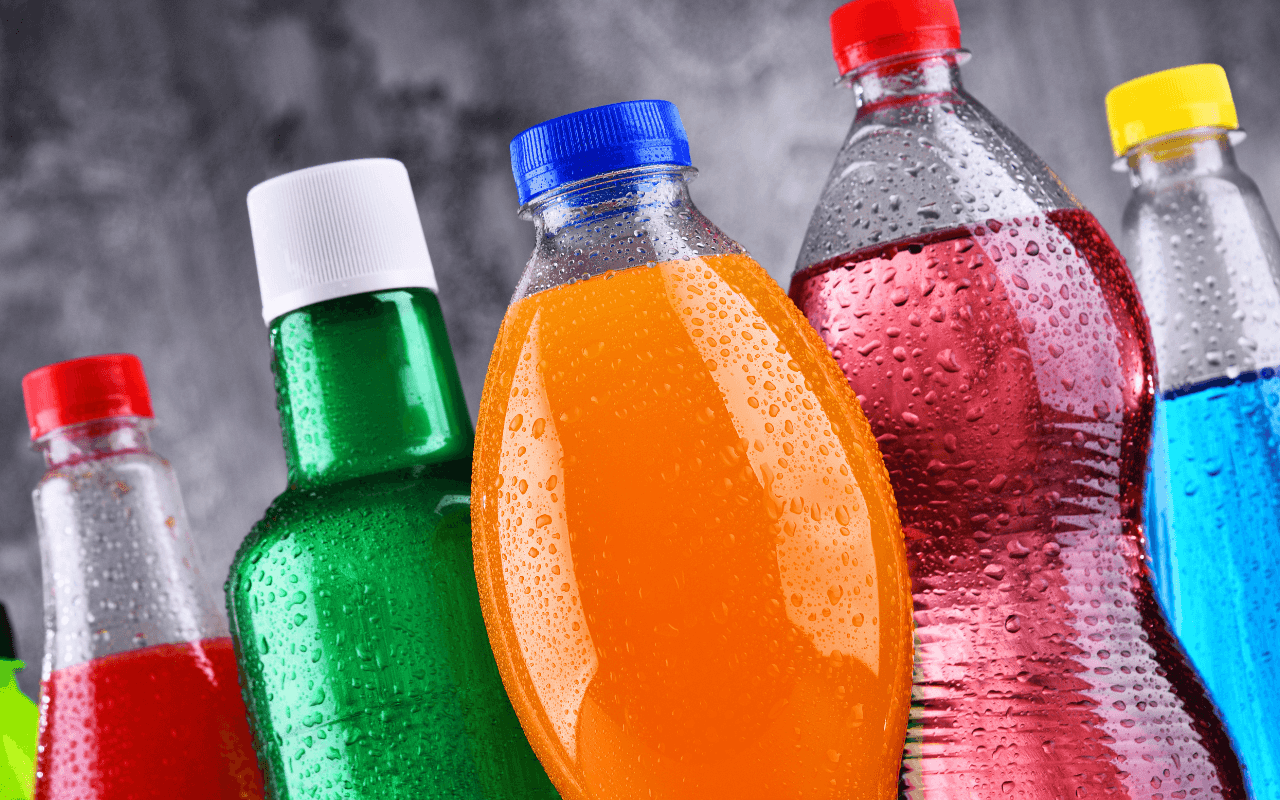
With the aim of regulating the consumption of sweetened soft drinks and increasing state budget revenue, a draft act on the tax on sweetened soft drinks has been submitted to the inter-ministerial comment procedure. If approved, the draft will introduce, from 1 January 2025, a tax that will apply to all soft drinks sweetened with sugar or other sweeteners. The introduction of this tax is intended to motivate manufacturers to reduce the use of sweeteners in drinks and to contribute to improving public health.
The new tax is to apply to soft drinks containing sugar and/or artificial sweetener:
– flavoured soft drinks (flavoured mineral waters, cola drinks, juices, non-alcoholic radler with a maximum of 0.05% alcohol, sweetened non-alcoholic wine, yoghurt and milk drinks) – €0.15/l/kg
– liquid concentrates (syrups) – €1.05/l
– solid concentrates (instant drinks, effervescent powders) – €4.30/kg
– energy drinks €0.30/l
Drinks without added sugar, e.g. juices with naturally occurring sugar, and honey are not to be subject to the tax.
The obligation to collect the tax and pay it to the state budget will lie with the businesses that make the first supply of a sweetened soft drink on the Slovak market. The tax is to be paid by manufacturers and importers.
Proposal to introduce an excise duty on electronic cigarettes, nicotine pouches and other products containing nicotine (e.g. chewing tobacco):
Electronic cigarettes (refills) – the proposed tax rate is to be €0.20/ml
Other nicotine products – €0.10/g.
Increase in allowances for the use of vehicles on business trips
Under a measure of the Ministry of Labour, Social Affairs and Family of the Slovak Republic taking effect on 1 May 2024, the basic allowances for the use of road motor vehicles on business trips will increase. The new rate, which reflects current economic conditions and vehicle running costs, sets the allowance for each kilometre driven at €0.075 for single-track vehicles and tricycles, and €0.265 for passenger road motor vehicles. This increase is a response to rising fuel prices and overall inflation, and it aims to ensure fair compensation for employees who use their own vehicles for business purposes.
More articles
All articles →
Finance and financial management · February 9, 2026
Cash flow: how to manage the flow of money in a small company
Cash flow in a small company: how to monitor the flow of money, plan payments and avoid secondary insolvency. Practical tips and tools. We can help.
Read article →
Finance and financial management · February 7, 2026
How to put together a business plan that works
How to put together a business plan that works: structure, the financial plan and the most common mistakes. Get solid supporting material for your bank and investors. We can help.
Read article →
Finance and financial management · February 5, 2026
Financial indicators every entrepreneur should track
Financial indicators every entrepreneur should track: liquidity, profitability and debt explained simply. Measure the health of your company. We can help.
Read article →