Business and start-ups · December 2, 2024 · 6 min read
Inventory and stocktaking: a guide for entrepreneurs
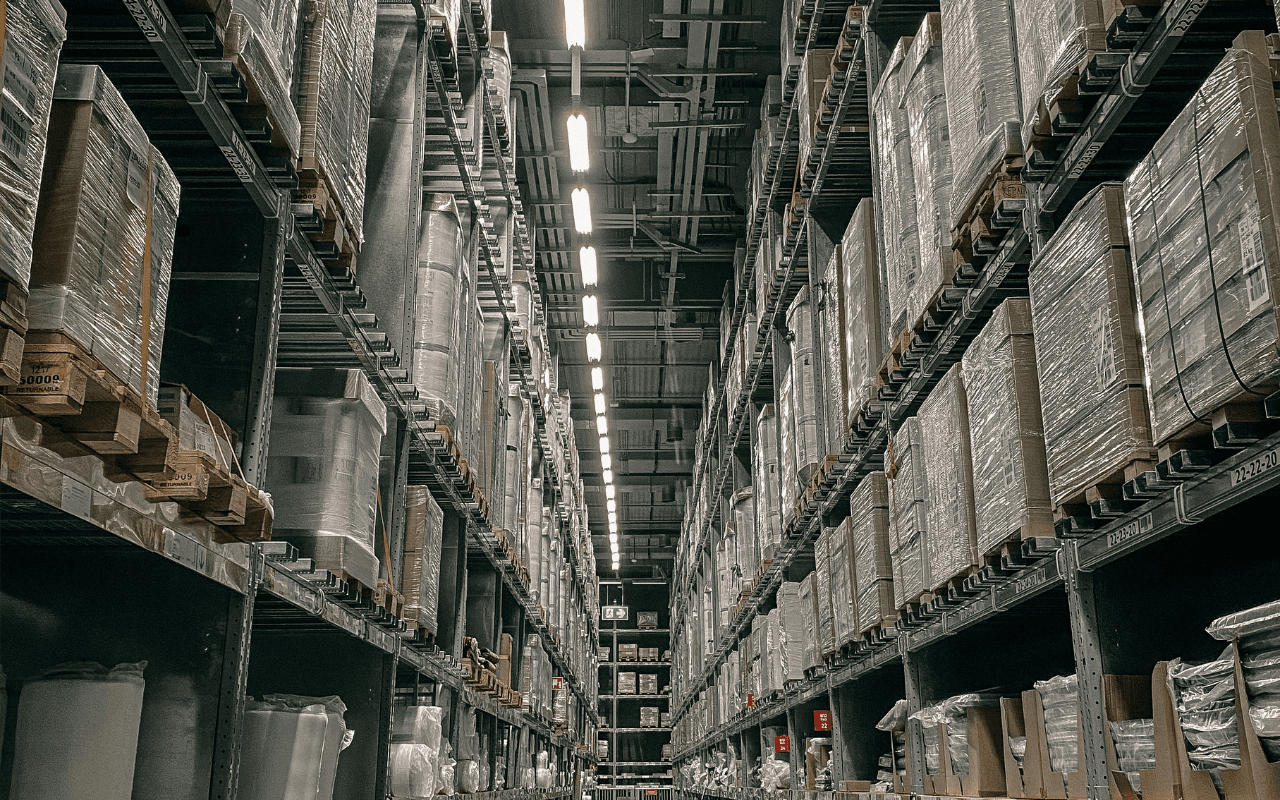
Did you know that a properly conducted warehouse stocktake can make the difference between a successful company and unnecessary losses? In the following lines, we will show you why a stocktake is more than just an administrative obligation and how it can help you manage your business better.
The end of the year is approaching, and that means it is time for the annual stocktake. This stocktake is not just an administrative necessity – it can genuinely help you keep control of your inventory and avoid unwanted losses. A warehouse stocktake is not only a tool for getting an overview of your stock, but also a legal obligation that directly affects your accounting, your taxes and the running of your business. In this article, we explain why a stocktake is necessary, how to carry it out correctly and what its consequences are for a company.
What is a warehouse stocktake?
A warehouse stocktake means counting and evaluating all the stock a company owns. It is carried out either at the end of the accounting period (an annual stocktake) or on an ongoing basis during the year (a continuous stocktake). A stocktake is the basis for ensuring that the accounting records accurately reflect the actual state of the assets. The Accounting Act (Act No. 431/2002 Coll.) requires a stocktake to be carried out at least once a year, so that the accounts give a true picture of the actual state of inventory and assets, and so that the conditions for correctly preparing the financial statements are met.
A stocktake is also important from a management point of view. It lets you get an accurate overview of your stock, plan purchases better, manage cash flows and reduce costs. It also helps identify inefficiencies such as excess stock, damaged goods or goods that are no longer needed. Put simply, a stocktake helps you keep everything under control, from the supply of materials to the efficient use of resources.
Types of stocktake
There are several ways of carrying out a stocktake, each with its own specifics and advantages:
- Physical stocktake: Counting all the items in the warehouse by hand. This is the most common type of stocktake and the one required by law. The result is a stocktake list, which serves as the official record of the state of the warehouse and must include data such as the quantity of stock, its location, the unit price and the total value. This type of stocktake provides accurate information and makes it possible to uncover any discrepancies directly.
- Movement-based stocktake: Tracking the movement of stock and comparing the actual figures with the accounting records. It focuses on ongoing checking and evaluation of stock levels during the year. This type of stocktake is particularly useful for quickly identifying errors or discrepancies caused by incorrect records or by the handling of goods.
- Cycle counting: Regular checks of stock throughout the year. This approach eliminates big surprises at the end of the accounting period, because the stock is constantly updated. Cycle counting is ideal for companies with a large volume of stock, where an annual stocktake would be too demanding. It allows the workload to be spread more efficiently across the whole year.
Methods of accounting for inventory
There are two options for keeping records of warehouse stock: method A and method B, each with its own advantages and disadvantages:
- Method A: Stock is recorded in real time. Every movement, whether a purchase or a sale, is immediately entered in the system. This method provides very accurate data, because stock is updated continuously. As a result, you minimise the risk of errors and always have an up-to-date overview of your stock levels. It is mandatory for companies that keep full accounts and is ideal for businesses where accurate and fast information is important.
- Method B: Stock is updated periodically (monthly or annually) on the basis of a physical stocktake. This method is less costly and suitable for smaller companies. However, it requires greater thoroughness when carrying out stocktakes, to avoid discrepancies between the recorded and the actual stock levels. Method B can be a suitable choice for businesses that do not hold a large volume of stock and prefer a simpler approach.
Why is a stocktake important for tax?
A warehouse stocktake has a direct impact on a company’s tax obligations. Inventory affects the calculation of the cost of goods sold, and therefore the resulting profit, which forms the basis for calculating taxes. If some stock is damaged or has lost value, these losses can be included in costs, which will help you reduce your tax base and optimise your tax burden.
If a stocktake is not carried out accurately, inventory may be valued incorrectly, which directly affects your taxable profit. An incorrectly performed stocktake can lead to problems during a tax audit and to fines. That is why it is important to keep all your stocktakes properly documented and up to date.
The impact of a stocktake on your business
A stocktake is of fundamental importance for effective inventory management and business success. A regular stocktake ensures accurate valuation of inventory, which affects your profit and the financial health of the company. If you have an overview of what you have in stock, you can plan purchases better, prevent overstocking and make the whole management process more efficient. Accurate stock records will also allow you to use your working capital more efficiently and reduce the cost of holding stock.
A stocktake also makes it possible to uncover problems such as shortages, damaged stock or theft. These discrepancies can have serious consequences if they are not dealt with in time. Identifying a problem early helps minimise financial losses and ensure the reliability of the accounts.
A stocktake is also important from the point of view of insurance companies. Many insurers require up-to-date and accurate information on the state of your warehouse as a condition for paying out a claim. If a stocktake has not been carried out correctly or has not been documented, the insurer may refuse to cover the damage in the event of an accident or theft, which could lead to large financial losses.
Practical tips
- Goods on loan or on trial: If you provide goods on loan or on trial, their valuation should reflect their real value. Accurate records will help you decide whether to write the goods off, donate them or take them for your own use. These steps affect both your accounting and your taxes, so always consult your accountant to avoid unnecessary complications.
- Stock shortages: If the stock in the warehouse does not match the records (for example, goods are missing or there are more than recorded), you need to find out the cause and adjust the accounting records accordingly. A shortage can be caused by improper handling, theft or damage to goods. Resolving these problems is key to protecting your assets and keeping your accounting records reliable.
Summary
A warehouse stocktake is essential for a company to function properly. It has a major impact on financial results and is also a legal obligation. A regular and accurate stocktake helps you comply with tax regulations, optimise your inventory and prevent losses. Give this process enough attention and work with your accountant to avoid mistakes and make the most of all the benefits that inventory-taking brings. Proper stock records and regular stocktakes are key to the long-term success of your company. Meeting your legal obligations and managing your inventory precisely will allow you to make better decisions, improve your financial results and minimise the risks associated with doing business.
More articles
All articles →
Business and start-ups · November 29, 2025
How to start a business: first steps for beginners
How to start a business in Slovakia: from choosing a legal form and setting up a trade licence to your first obligations towards the authorities. A clear guide for beginners. We can help.
Read article →
Business and start-ups · November 25, 2025
Business idea: how to validate it before you launch
A business idea and how to validate it: how to test demand, competition and profitability before you invest time and money. Practical tips before you launch. We can help.
Read article →
Business and start-ups · November 23, 2025
A trade licence alongside employment: what you need to know
A trade licence alongside employment: what contributions you pay, when compulsory insurance begins and how it affects your taxes. An overview of the advantages and obligations for employees. We can help.
Read article →