Finance and financial management · October 18, 2024 · 4 min read
The 2025 consolidation package: what lies ahead for you as an entrepreneur or sole trader
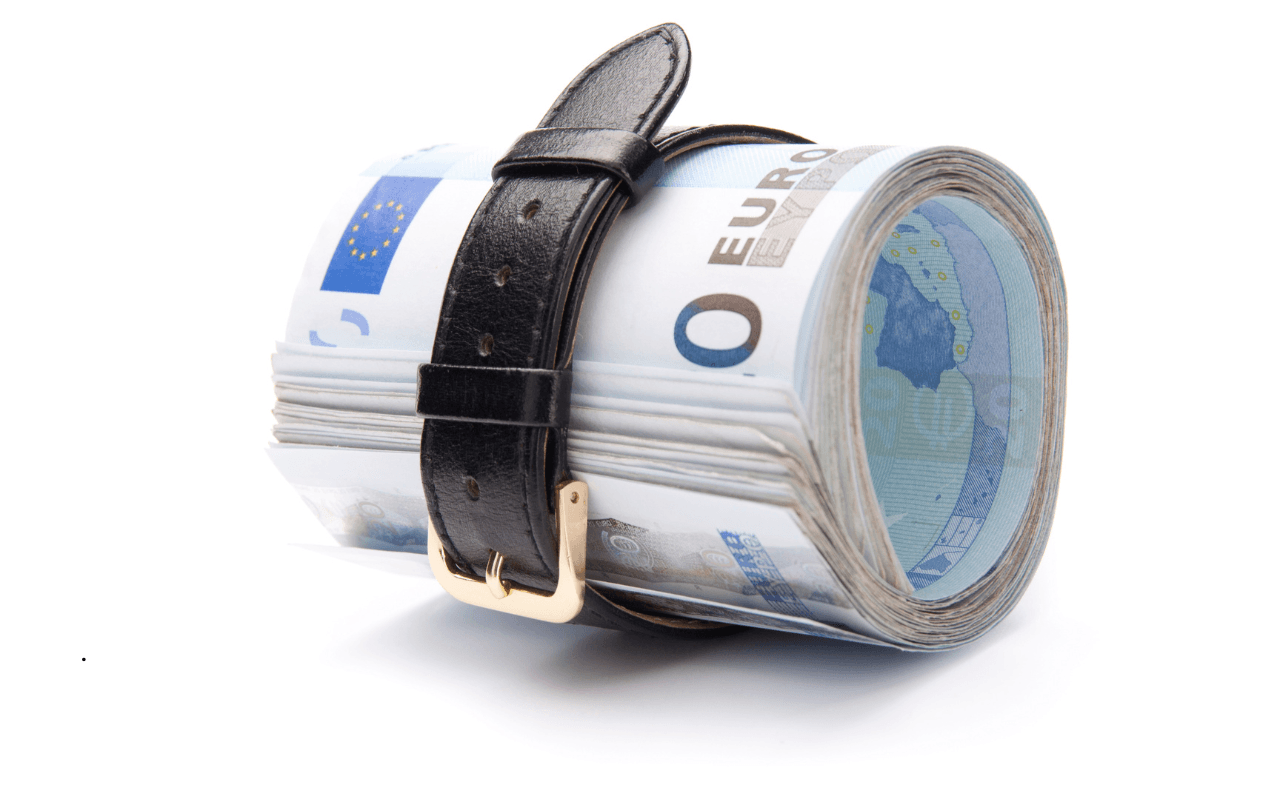
The year 2025 will bring fundamental changes that will affect every entrepreneur and sole trader. As an accounting firm, we are here to help you better understand these changes and prepare for their impact. In this article, we give you an overview of the most important measures in the consolidation package approved by parliament.
Higher income tax for businesses
One of the most significant changes is an increase in income tax for businesses:
- A 24% tax for businesses with an annual turnover of more than €5 million.
If you are a large company, this tax increase may mean a heavier financial burden that will affect your investment decisions. Be prepared, therefore, for the need to optimise your costs more effectively.
Changes in VAT rates
VAT rates are changing too, and this will affect the prices of goods and services:
- The standard VAT rate will rise from 20% to 23% and will apply to most goods and services.
- The reduced VAT rate of 19% will apply to certain foods, mineral water (without sweeteners), salt and electricity.
- The reduced rate of 5% will apply to basic foods such as meat and milk, to medicines, books, magazines, and admission to sports venues and fitness centres. The same rate will also cover accommodation, restaurant and catering services.
The increase in the standard VAT rate may affect your pricing policy, so we recommend thinking about how to build it into your business strategy.
Lower tax bonus for children
The tax bonus for children will be cut significantly:
- €100 per child under 15.
- €50 per child aged 15 to 18.
If you are an employee with a gross wage above €3,632, you will lose your entitlement to the tax bonus entirely. In addition, for those whose monthly income is between €2,480 and €3,632, the tax bonus will be gradually reduced. This change may affect your personal financial situation.
Lower tax rate for businesses with lower incomes
- Legal entities with income of up to €100,000 will have their income tax reduced to 10%.
- For sole traders, the income threshold for the reduced tax rate of 15% will be raised from €60,000 to €100,000.
These measures are aimed mainly at smaller businesses and sole traders, to help them cope better with the costs of doing business. If you fall into this category, you can expect a positive impact on your business.
Withholding tax on dividends
From 1 January 2025, the withholding tax on dividends will fall to 7%, compared with the current rate of 10% in 2024. This may make you more willing to pay out dividends and make investing in your company more attractive.
Financial transaction tax
From 1 April 2025, a so-called transaction tax will be introduced:
- 0.4% of the transaction value for entrepreneurs’ bank transactions, with a maximum charge of €40.
- Cash withdrawals will be charged at a rate of 0.8% of the amount withdrawn, with no cap.
- Card payments will be exempt from the tax, but an annual flat fee of €2 will be introduced for using a payment card.
- The taxation of bank transfers will apply only to entrepreneurs, not to individuals who do not run a business.
These changes may have a significant impact on your cash policy and on how you manage your financial flows. We recommend talking to an accountant about how to minimise the costs associated with this tax.
Mandatory business account for sole traders and self-employed persons (SZČO)
By the end of March 2025, sole traders will have to open a so-called transaction account intended for their business financial operations. The aim of this step is to increase the transparency and control of financial flows. If you are a sole trader, it is important to start thinking now about choosing a bank that will offer you the best terms for your new business account.
Measures for large companies and employees
Further measures concern large companies and employees with high incomes:
- An increase in the special levy on energy companies, which is expected to bring in €156 million.
- The introduction of a special levy on refineries, with expected revenue of €36 million.
- An increase in the special levy on mobile operators (€25 million).
- Higher social insurance contributions for high-earning employees whose income reaches 11 times the average wage.
If you are a large company or a high-earning employee, prepare for higher contributions and charges that may affect your budget.
These changes bring new challenges, but also opportunities for entrepreneurs and sole traders. As your accounting firm, we are here to help you prepare for all the new measures and adapt to the changes so that your business can keep growing. The consolidation package can be an impetus to reassess your financial strategies, optimise costs and look for new ways to succeed even in this changing environment.
More articles
All articles →
Finance and financial management · February 9, 2026
Cash flow: how to manage the flow of money in a small company
Cash flow in a small company: how to monitor the flow of money, plan payments and avoid secondary insolvency. Practical tips and tools. We can help.
Read article →
Finance and financial management · February 7, 2026
How to put together a business plan that works
How to put together a business plan that works: structure, the financial plan and the most common mistakes. Get solid supporting material for your bank and investors. We can help.
Read article →
Finance and financial management · February 5, 2026
Financial indicators every entrepreneur should track
Financial indicators every entrepreneur should track: liquidity, profitability and debt explained simply. Measure the health of your company. We can help.
Read article →